Since the beginning, we've named our soups after real places throughout Washington and the surrounding Northwest. From small towns and mountain peaks to rivers, canyons, and historic landmarks, each name was chosen because it means something to us and the region we call home. Each soup has a story, and so does the place that gave it its name.
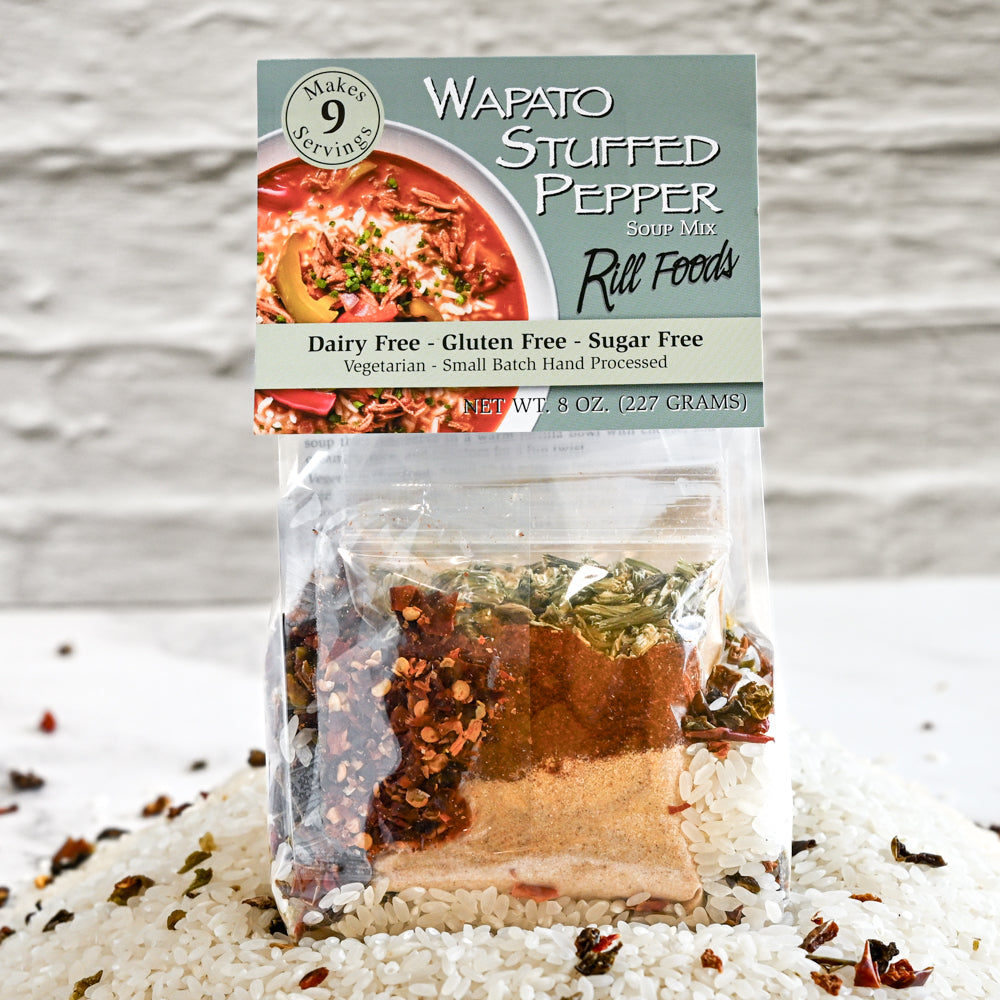
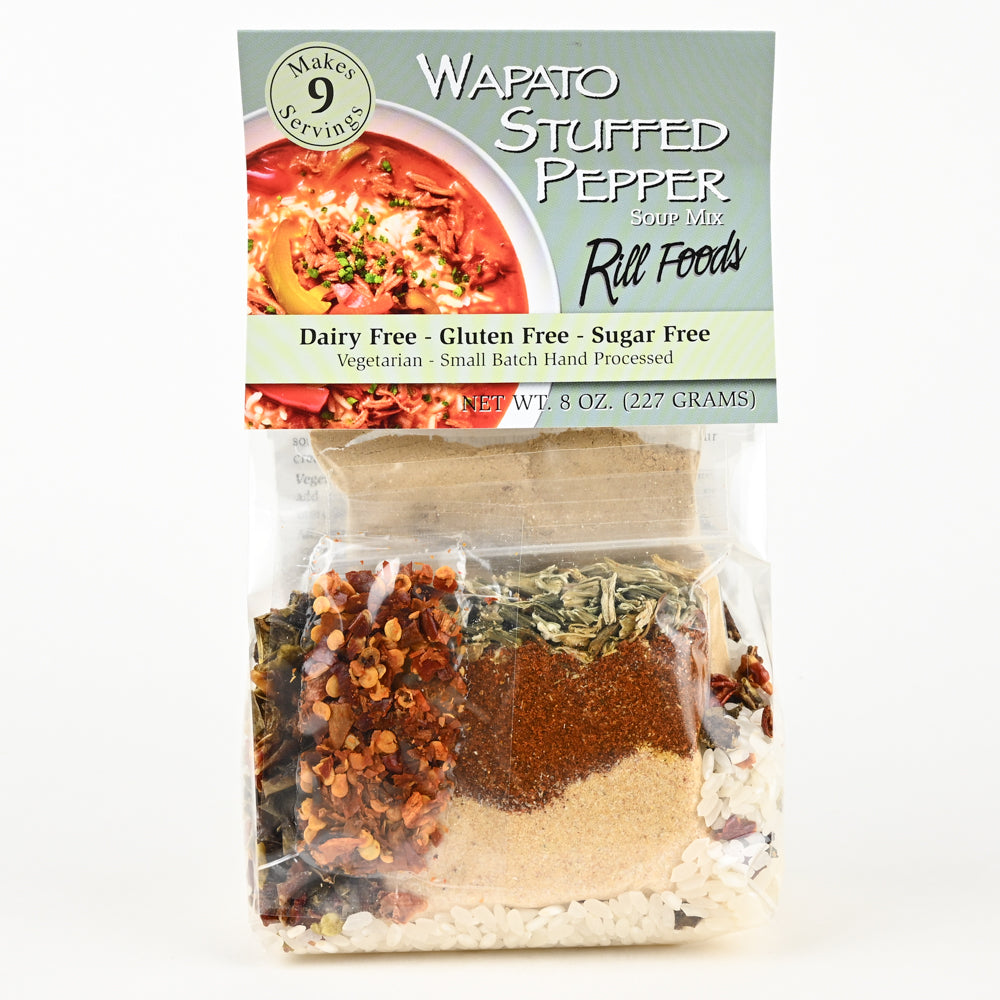
Wapato (Wah’-puh-toh)
The town of Wapato is located in south-central Washington on the Yakama Indian Reservation. The name comes from a Native word for a plant known for its starchy, potato-like roots.
In the early 1900s, following federal policies that restructured tribal land ownership on reservations, non-Native settlement increased in the region. Alex McCredy purchased 80 acres and platted the townsite, and other settlers soon followed, leasing and acquiring land. With the help of Japanese laborers, the sagebrush desert was gradually transformed into productive farmland. Many of these workers were brought in through the Northwest Development Company and helped establish some of the first apple orchards on the Yakama Reservation.
In the early 1920s, Filipino immigrants began arriving in the Yakima Valley. Many came with special status as citizens of an American territory and hoped to pursue higher education. Over time, they formed cooperative communities for mutual social and economic support, eventually purchasing land when possible.
Latino immigration increased during World War II, when labor shortages left farms in need of workers. Many young American men were serving in the military or working in defense industries, and Japanese American farmers had been sent to relocation centers. In response, the federal government established the Bracero Program, allowing Mexican laborers to enter the United States temporarily for seasonal agricultural work.
Today, Wapato remains a small community with a rich and diverse ethnic heritage. Each fall, people from across the state come to the area to purchase fresh fruits and vegetables during harvest season.